
What’s The Difference Between Deodorant & Antiperspirant?

What’s The Difference Between Deodorant & Antiperspirant? And Is Blocking Sweat Really A Good Idea?
Most people use the words deodorant and antiperspirant interchangeably.
But they are actually very different products.
And once you understand the difference, it becomes much easier to understand why so many people are now moving towards aluminium-free deodorants like Fit Pit.
At The Green Woman, this conversation is personal for us.
We originally started making natural deodorant because we were looking to move away from conventional antiperspirants ourselves. At the time, I was a new mum, becoming increasingly focused on health, ingredients, and what we were using on our bodies every single day.
The problem was that although there were natural deodorants available, we struggled to find one that actually worked as well as we wanted it to.
So we started creating our own.
Fit Pit was never created as a marketing trend or a “green” gimmick. It came from wanting something we genuinely felt comfortable using ourselves and on our own family.
We still use it ourselves every day, and it is what we use with our own children too.
So what’s the actual difference?
In simple terms:
- Antiperspirants are designed to reduce or stop sweating.
- Deodorants are designed to help manage odour while still allowing the body to sweat naturally.
That’s the key distinction.
Antiperspirants use aluminium salts such as:
- aluminium chlorohydrate
- aluminium zirconium compounds
- potassium alum
to temporarily block sweat ducts and reduce the amount of sweat reaching the skin’s surface.
Deodorants, on the other hand, do not stop sweating.
Instead, they work by helping manage the bacteria and moisture that create body odour.

Sweat itself is not actually the smell
This surprises a lot of people.
Fresh sweat is mostly:
- water
- salts
- trace compounds
The smell develops when sweat interacts with bacteria naturally living on the skin.
That means the odour is not really caused by sweating itself.
It is caused by what happens afterwards.
This is why natural deodorants do not simply “mask smell” with fragrance, as people sometimes assume.
A well-formulated deodorant works by helping create an underarm environment where odour-causing bacteria are less likely to thrive.
How do natural deodorants like Fit Pit actually work?
Fit Pit was designed to work with the body rather than against it.
Instead of trying to stop sweating completely, it uses ingredients that help:
- absorb moisture
- neutralise odour
- support skin balance
- create an environment where odour-causing bacteria struggle to thrive
One of the ways this happens is through subtly shifting the skin environment and pH balance in a way that makes it less favourable for the bacteria responsible for body odour.
For example:
- arrowroot powder helps absorb moisture
- bicarbonate of soda helps neutralise odour and alter pH
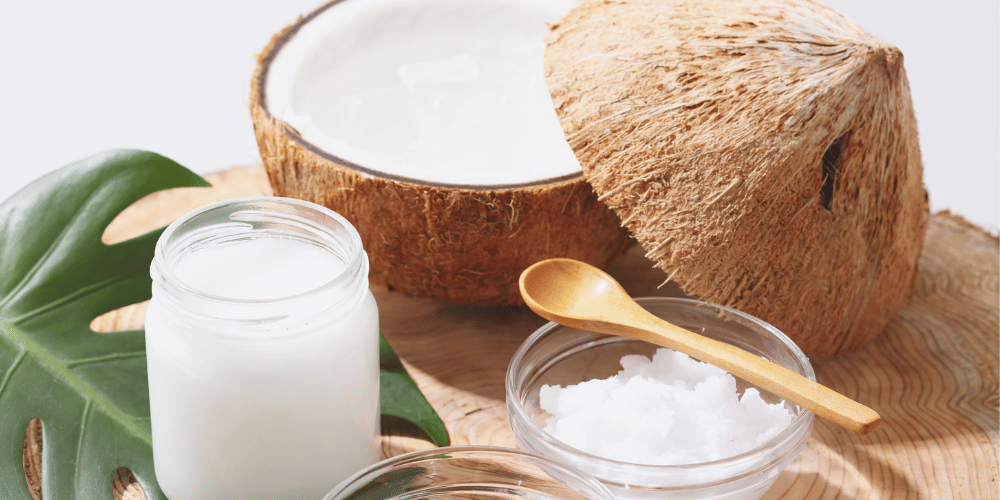
- coconut oil contains natural antimicrobial properties
- shea butter helps soothe and support the skin
- essential oils provide freshness and aroma
So rather than shutting down sweating, the goal is to help prevent odour naturally while still allowing the body to do what it is designed to do.
For many people, that feels like a much more balanced approach.
Why are some people questioning antiperspirants?
For many people, the concern is not simply about sweating.
It is about where antiperspirants are being used.
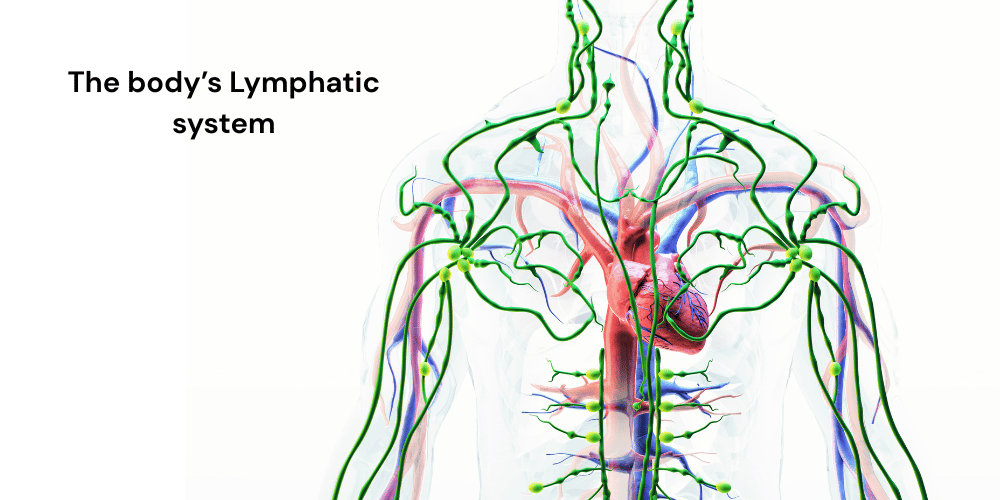
The underarm area sits close to:
- lymph nodes
- delicate breast tissue
- important drainage pathways within the body
Many people therefore question whether routinely blocking sweat in this area every single day is really ideal long term.
Especially when aluminium salts are specifically designed to reduce the body’s natural sweating process.
Researchers have also noted that a large proportion of breast cancers occur in the upper outer quadrant of the breast, the area closest to the underarm.
This does not prove antiperspirants are the cause.
But for some people, it raises enough questions to take a more precautionary approach.
Sweating is not a design flaw
Modern culture often treats sweating as something embarrassing that should be completely shut down.
But sweating is actually one of the body’s normal and important functions.
Humans sweat in order to:
- regulate body temperature
- cool the skin
- support circulation
- maintain skin balance
- assist natural elimination pathways
The underarm area contains:
- sweat glands
- hair follicles
- bacteria
- lymphatic drainage pathways
It is an active and important part of the body’s natural balance systems.
Of course, nobody wants unpleasant body odour.
But many people are now asking whether there is a difference between:
- supporting freshness naturally
and - completely suppressing sweat altogether.
That is one reason aluminium-free deodorants such as Fit Pit have become increasingly popular.
Is sweating part of detoxification?
This is where the conversation becomes more nuanced.
The liver and kidneys are the body’s primary detoxification organs.
However, sweat does contain:
- trace metals
- salts
- metabolic waste products
- certain environmental compounds
Some researchers therefore believe sweating may play a supportive role in helping the body eliminate certain substances.
This is one reason practices such as:
- exercise
- saunas
- steam rooms
have traditionally been associated with wellbeing across many cultures.
It would be inaccurate to claim sweating is the body’s main detoxification system.
But many people still feel uncomfortable with the idea of routinely blocking a natural elimination pathway every day for decades.
Why are more people switching to aluminium-free deodorant?
For many people, the shift towards aluminium-free deodorant comes from wanting a simpler and more natural approach to personal care.
But it is also driven by growing awareness around aluminium salts and long-term chemical exposure.
Scientific research has already established that:
- aluminium salts have been found to accumulate in breast tissue
- aluminium salts have been identified within brain tissue
- some laboratory studies suggest aluminium salts may interact with oestrogen receptors and cellular processes
- aluminium salts are biologically active compounds rather than completely inert substances
Current evidence does not conclusively prove that aluminium salt antiperspirants cause diseases such as breast cancer or Alzheimer’s disease.
However, for many people, the fact that these compounds can accumulate in tissue and interact biologically with cells is enough to question whether daily long-term use is really necessary.
Particularly when effective aluminium-free alternatives already exist.
This is one reason aluminium-free deodorants such as Fit Pit have grown in popularity.
Many people are now looking for products that support the body’s natural processes rather than suppressing them.
Why can switching from antiperspirant take time?
Some people notice an adjustment period when they first move away from antiperspirants.
This can happen because:
- the body is no longer suppressing sweat
- the skin microbiome may be rebalancing
- people become more aware of natural sweating again
- the underarm environment changes
This transition period is often temporary.
Once the body adjusts, many people find natural deodorants work extremely well for them.
Are crystal deodorants aluminium-free?
Not always.
Many crystal deodorants contain potassium alum, which is still an aluminium salt.
While these products are often marketed as:
- natural
- crystal
- mineral
they are chemically different from truly aluminium-free deodorants.
Consumers wanting to avoid aluminium salts altogether should therefore check ingredient labels carefully.
So what’s the conclusion?
Antiperspirants and deodorants are fundamentally different products.
Antiperspirants are designed to reduce sweating by using aluminium salts to block sweat ducts.
Deodorants are designed to help manage odour while still allowing the body to sweat naturally.
For many people, understanding that difference changes how they think about underarm care completely.
Increasingly, people are beginning to question whether routinely suppressing a natural bodily process in such a delicate area of the body is really the best long-term approach.
Especially given what we now know about aluminium salts, tissue accumulation, and biological interaction within cells.
This is why many people, just like us, are now choosing aluminium-free deodorants like Fit Pit as part of a simpler, lower-exposure approach to personal care and wellbeing.
More Articles You Might Like
Are Aluminium Antiperspirants Safe? What The Science Really Says
An evidence-led look at aluminium salts, breast tissue accumulation, scientific debate, and why many people are choosing aluminium-free alternatives.
Why Did Scientists Start Investigating Aluminium Salts And Brain Health?
Exploring the historical events, occupational exposure cases and scientific incidents that sparked neurological research into aluminium salt compounds.
What Is The Healthiest Deodorant To Use?
A practical guide exploring what many people now look for in a modern deodorant, from simpler ingredients to aluminium-free formulations and low-tox living.